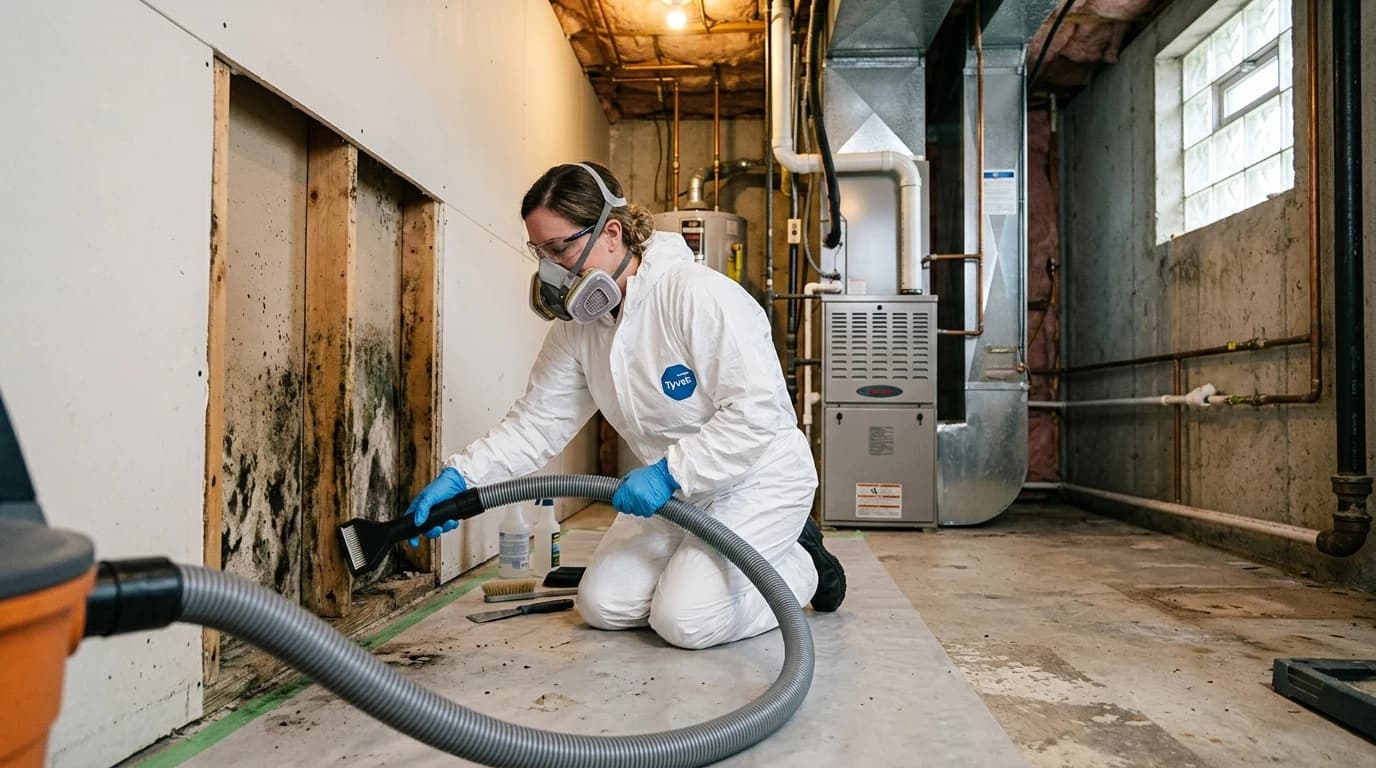
What structural damage can mold cause?
Mold thrives in damp environments and feeds on organic materials like wood and drywall, leading to significant structural damage over time. This can compromise the integrity of your home, resulting in costly repairs. In Woodcliff Lake, where humidity levels can fluctuate, preventing moisture build-up is key to avoiding mold-related structural issues.
When mold infiltrates your home, it doesn't just stay on the surface. Over time, mold can penetrate deep into the structure of your home, affecting the wooden beams, insulation, and even the foundation if left unchecked. The structural components of your home, such as support beams and floor joists, can weaken, leading to sagging floors, warped walls, and even a compromised foundation. Regular inspections and maintenance are vital, especially in basements and attics where mold often goes unnoticed. Homeowners should be vigilant in areas prone to leaks or flooding, such as basements, bathrooms, and kitchens, ensuring that any signs of mold are addressed immediately. Installing moisture barriers and ensuring proper drainage around the home can help mitigate these risks.
When mold infiltrates your home, it doesn't just stay on the surface. Over time, mold can penetrate deep into the structure of your home, affecting the wooden beams, insulation, and even the foundation if left unchecked. The structural components of your home, such as support beams and floor joists, can weaken, leading to sagging floors, warped walls, and even a compromised foundation. Regular inspections and maintenance are vital, especially in basements and attics where mold often goes unnoticed. Homeowners should be vigilant in areas prone to leaks or flooding, such as basements, bathrooms, and kitchens, ensuring that any signs of mold are addressed immediately. Installing moisture barriers and ensuring proper drainage around the home can help mitigate these risks.
How does mold affect indoor air quality?
Mold releases spores into the air, which can degrade the indoor air quality and lead to respiratory issues. It is crucial to address mold promptly to prevent these spores from spreading. Installing proper ventilation and using dehumidifiers can help maintain a healthy environment, but professional remediation is often necessary to tackle severe cases.
Poor indoor air quality due to mold can have a range of health implications. Inhaling mold spores can trigger allergies, asthma attacks, and other respiratory conditions. Symptoms such as coughing, sneezing, watery eyes, and skin irritation are common in mold-infested environments. In severe cases, prolonged exposure can lead to more serious health issues, including chronic sinus infections and weakened immune systems. For those with pre-existing health conditions or compromised immune systems, the risks are even greater.
To improve indoor air quality, homeowners should consider regular HVAC maintenance and the installation of air purifiers with HEPA filters, which can capture mold spores and other allergens. Keeping humidity levels below 60% is also crucial, as mold thrives in moist conditions. Simple actions like using exhaust fans in bathrooms and kitchens, fixing leaks promptly, and ensuring that the home is well-ventilated can make a significant difference in preventing mold growth and maintaining healthy air quality.
Poor indoor air quality due to mold can have a range of health implications. Inhaling mold spores can trigger allergies, asthma attacks, and other respiratory conditions. Symptoms such as coughing, sneezing, watery eyes, and skin irritation are common in mold-infested environments. In severe cases, prolonged exposure can lead to more serious health issues, including chronic sinus infections and weakened immune systems. For those with pre-existing health conditions or compromised immune systems, the risks are even greater.
To improve indoor air quality, homeowners should consider regular HVAC maintenance and the installation of air purifiers with HEPA filters, which can capture mold spores and other allergens. Keeping humidity levels below 60% is also crucial, as mold thrives in moist conditions. Simple actions like using exhaust fans in bathrooms and kitchens, fixing leaks promptly, and ensuring that the home is well-ventilated can make a significant difference in preventing mold growth and maintaining healthy air quality.
Why is professional intervention critical?
Professional mold removal ensures thorough cleaning and remediation, preventing further growth. Experts not only remove visible mold but also address the underlying causes to prevent recurrence. To learn more about our professional approach, explore our services page.
While some homeowners may attempt to tackle mold removal themselves, professional intervention is often necessary to ensure complete eradication. Mold remediation specialists have the expertise and equipment to identify the extent of mold growth and the specific type of mold present, which can be crucial for effective treatment. They use advanced techniques, such as thermal imaging and moisture meters, to detect hidden mold and moisture sources that a layperson might miss.
Moreover, professionals can safely handle and dispose of contaminated materials, reducing the risk of mold spores spreading to other areas of the home. They also provide guidance on preventive measures, such as improving ventilation and controlling humidity, to avoid future mold issues. In Woodcliff Lake and other areas of NJ, where weather conditions can contribute to mold growth, having a trusted professional to address mold problems can save homeowners time, money, and stress in the long run. Professional services not only restore your home but also ensure a safe and healthy living environment for you and your family.
While some homeowners may attempt to tackle mold removal themselves, professional intervention is often necessary to ensure complete eradication. Mold remediation specialists have the expertise and equipment to identify the extent of mold growth and the specific type of mold present, which can be crucial for effective treatment. They use advanced techniques, such as thermal imaging and moisture meters, to detect hidden mold and moisture sources that a layperson might miss.
Moreover, professionals can safely handle and dispose of contaminated materials, reducing the risk of mold spores spreading to other areas of the home. They also provide guidance on preventive measures, such as improving ventilation and controlling humidity, to avoid future mold issues. In Woodcliff Lake and other areas of NJ, where weather conditions can contribute to mold growth, having a trusted professional to address mold problems can save homeowners time, money, and stress in the long run. Professional services not only restore your home but also ensure a safe and healthy living environment for you and your family.
What are the health risks associated with untreated mold?
Untreated mold in your home can pose significant health risks to you and your family. Mold spores, when inhaled, can cause a range of health issues, particularly affecting the respiratory system. Individuals with allergies or asthma are at a higher risk of experiencing symptoms such as coughing, wheezing, and shortness of breath. Even those without pre-existing conditions can develop respiratory problems after prolonged exposure to mold.
In addition to respiratory issues, mold exposure can lead to skin irritations, headaches, and fatigue. Some molds produce mycotoxins, which can be particularly harmful and lead to neurological symptoms such as dizziness and difficulty concentrating. Children, the elderly, and those with weakened immune systems are especially vulnerable to the effects of mold exposure. It's essential to address mold issues promptly to protect the health of all household members.
Preventive measures, such as maintaining proper humidity levels and ensuring good ventilation, can help reduce the risk of mold-related health problems. Regularly inspecting areas prone to moisture, such as bathrooms and basements, and addressing leaks or water damage immediately can prevent mold growth. If mold is detected, seeking professional remediation services is crucial to ensure thorough removal and to safeguard your family's health.
In addition to respiratory issues, mold exposure can lead to skin irritations, headaches, and fatigue. Some molds produce mycotoxins, which can be particularly harmful and lead to neurological symptoms such as dizziness and difficulty concentrating. Children, the elderly, and those with weakened immune systems are especially vulnerable to the effects of mold exposure. It's essential to address mold issues promptly to protect the health of all household members.
Preventive measures, such as maintaining proper humidity levels and ensuring good ventilation, can help reduce the risk of mold-related health problems. Regularly inspecting areas prone to moisture, such as bathrooms and basements, and addressing leaks or water damage immediately can prevent mold growth. If mold is detected, seeking professional remediation services is crucial to ensure thorough removal and to safeguard your family's health.
How can homeowners prevent mold growth effectively?
Preventing mold growth requires a proactive approach to managing moisture and maintaining a clean environment. One of the most effective ways to prevent mold is by controlling humidity levels in your home. Using dehumidifiers, especially in damp areas like basements, can significantly reduce the moisture that mold needs to thrive. Aim to keep indoor humidity below 60% to minimize mold risk.
Proper ventilation is also key in preventing mold. Ensure that bathrooms, kitchens, and laundry rooms have exhaust fans that vent moisture-laden air outside. Regularly open windows to allow fresh air to circulate, which can help reduce indoor humidity levels. Fixing leaks promptly is another critical step; even minor leaks can create the perfect environment for mold if left unattended.
Regular cleaning and maintenance can also play a significant role in mold prevention. Clean and dry any areas affected by water spills within 24 to 48 hours. Use mold-resistant products, such as mold-resistant drywall or paint, in areas prone to dampness. In Woodcliff Lake and other areas with fluctuating weather, being vigilant about these practices can help homeowners stay ahead of mold issues. By taking these preventive steps, you can protect your home and family from the damaging effects of mold.
Proper ventilation is also key in preventing mold. Ensure that bathrooms, kitchens, and laundry rooms have exhaust fans that vent moisture-laden air outside. Regularly open windows to allow fresh air to circulate, which can help reduce indoor humidity levels. Fixing leaks promptly is another critical step; even minor leaks can create the perfect environment for mold if left unattended.
Regular cleaning and maintenance can also play a significant role in mold prevention. Clean and dry any areas affected by water spills within 24 to 48 hours. Use mold-resistant products, such as mold-resistant drywall or paint, in areas prone to dampness. In Woodcliff Lake and other areas with fluctuating weather, being vigilant about these practices can help homeowners stay ahead of mold issues. By taking these preventive steps, you can protect your home and family from the damaging effects of mold.
What are the financial implications of untreated mold?
Leaving mold untreated can lead to significant financial burdens for homeowners. Initially, mold might seem like a minor issue, but as it spreads, the costs associated with remediation and repairs can escalate quickly. The longer mold is left unchecked, the more extensive the damage becomes, often requiring comprehensive repairs that can be costly. For instance, mold can compromise structural elements, necessitating the replacement of drywall, insulation, and even wooden supports, which can be a major expense.
Additionally, untreated mold can decrease the value of your property. Potential buyers may be deterred by the presence of mold, as it signals underlying issues with moisture management and could indicate larger, hidden problems. This can make it difficult to sell your home or result in a lower sale price. Moreover, if the mold issue is not disclosed during a property sale, it could lead to legal complications and further financial liabilities.
Preventive measures, such as regular inspections and addressing moisture issues promptly, can help avoid these financial pitfalls. Investing in professional mold remediation early on can save money in the long run by preventing extensive damage and preserving the value of your property. Being proactive about mold management is not only a health imperative but also a smart financial strategy.
Additionally, untreated mold can decrease the value of your property. Potential buyers may be deterred by the presence of mold, as it signals underlying issues with moisture management and could indicate larger, hidden problems. This can make it difficult to sell your home or result in a lower sale price. Moreover, if the mold issue is not disclosed during a property sale, it could lead to legal complications and further financial liabilities.
Preventive measures, such as regular inspections and addressing moisture issues promptly, can help avoid these financial pitfalls. Investing in professional mold remediation early on can save money in the long run by preventing extensive damage and preserving the value of your property. Being proactive about mold management is not only a health imperative but also a smart financial strategy.
What role does climate play in mold growth?
Climate is a significant factor in mold growth, as mold thrives in environments with high humidity and moisture. Regions with warm, humid climates, like parts of New Jersey, are particularly susceptible to mold issues. In these areas, the combination of heat and moisture creates the ideal conditions for mold to flourish. During the summer months, when humidity levels are naturally higher, the risk of mold growth increases, necessitating vigilant moisture control practices.
In climates where temperature fluctuations occur, such as transitions between seasons, condensation can form on cold surfaces, providing moisture that can contribute to mold growth. Homeowners should be aware of these climatic conditions and take steps to mitigate their impact. This includes using air conditioning to regulate indoor temperatures and humidity, and ensuring that homes are well-insulated to prevent condensation.
Understanding the local climate and its effects on your home can help in developing effective mold prevention strategies. Regularly monitoring indoor humidity levels and using dehumidifiers can significantly reduce the risk of mold. Additionally, during periods of heavy rain, ensuring that gutters and downspouts are clear and directing water away from the home can prevent moisture accumulation. By adapting to the climatic conditions specific to your area, you can better protect your home from the pervasive threat of mold.
In climates where temperature fluctuations occur, such as transitions between seasons, condensation can form on cold surfaces, providing moisture that can contribute to mold growth. Homeowners should be aware of these climatic conditions and take steps to mitigate their impact. This includes using air conditioning to regulate indoor temperatures and humidity, and ensuring that homes are well-insulated to prevent condensation.
Understanding the local climate and its effects on your home can help in developing effective mold prevention strategies. Regularly monitoring indoor humidity levels and using dehumidifiers can significantly reduce the risk of mold. Additionally, during periods of heavy rain, ensuring that gutters and downspouts are clear and directing water away from the home can prevent moisture accumulation. By adapting to the climatic conditions specific to your area, you can better protect your home from the pervasive threat of mold.