What are the common signs of mold growth?
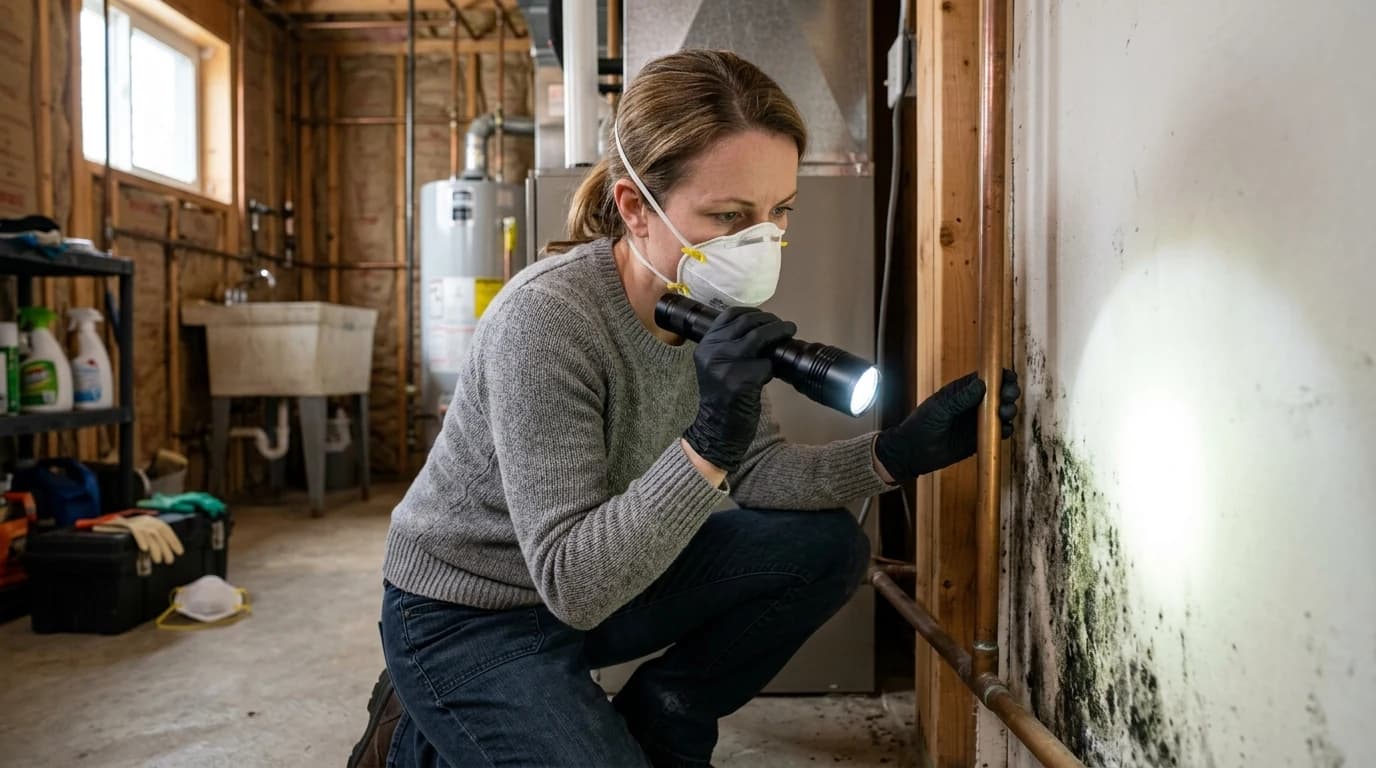
Mold can start with subtle signs like musty odors or discoloration on walls and ceilings. These early indicators are crucial as mold can cause structural damage and health issues if left unchecked. Homeowners should regularly inspect areas prone to moisture, such as bathrooms, basements, and kitchens, for these signs. In Woodcliff Lake, where humidity levels can fluctuate, mold can develop quickly in these spaces. Look for bubbling paint or wallpaper, as these can also indicate moisture issues leading to mold growth. Additionally, condensation on windows or walls can be a precursor to mold problems. Taking immediate action by contacting professionals for an assessment is advisable when these signs are detected. Early intervention can prevent the spread of mold to other areas of the home, saving on costly repairs and health-related issues. For more comprehensive solutions, visit our services page.
How can you check for mold if it's not visible?
Not all mold is easily visible; it can lurk behind walls or under carpets. To check for hidden mold, pay attention to persistent allergic symptoms such as sneezing, coughing, or skin irritations that worsen when at home. Unexplained musty odors can also suggest hidden mold. Another sign might be water stains or discoloration on walls or ceilings, even if the mold is not immediately visible. In Woodcliff Lake, where homes may have basements or crawl spaces, these areas should be checked regularly for signs of water intrusion. Hiring a professional for mold testing can accurately detect hidden mold sources, especially in these hard-to-reach places. Professionals use specialized equipment and expertise to uncover mold that might be missed by the untrained eye. This step is particularly important for homeowners in humid areas like New Jersey, where mold can thrive unseen. Regular inspections can help maintain a healthy home environment and prevent long-term damage.
What tools and tests can help identify mold?
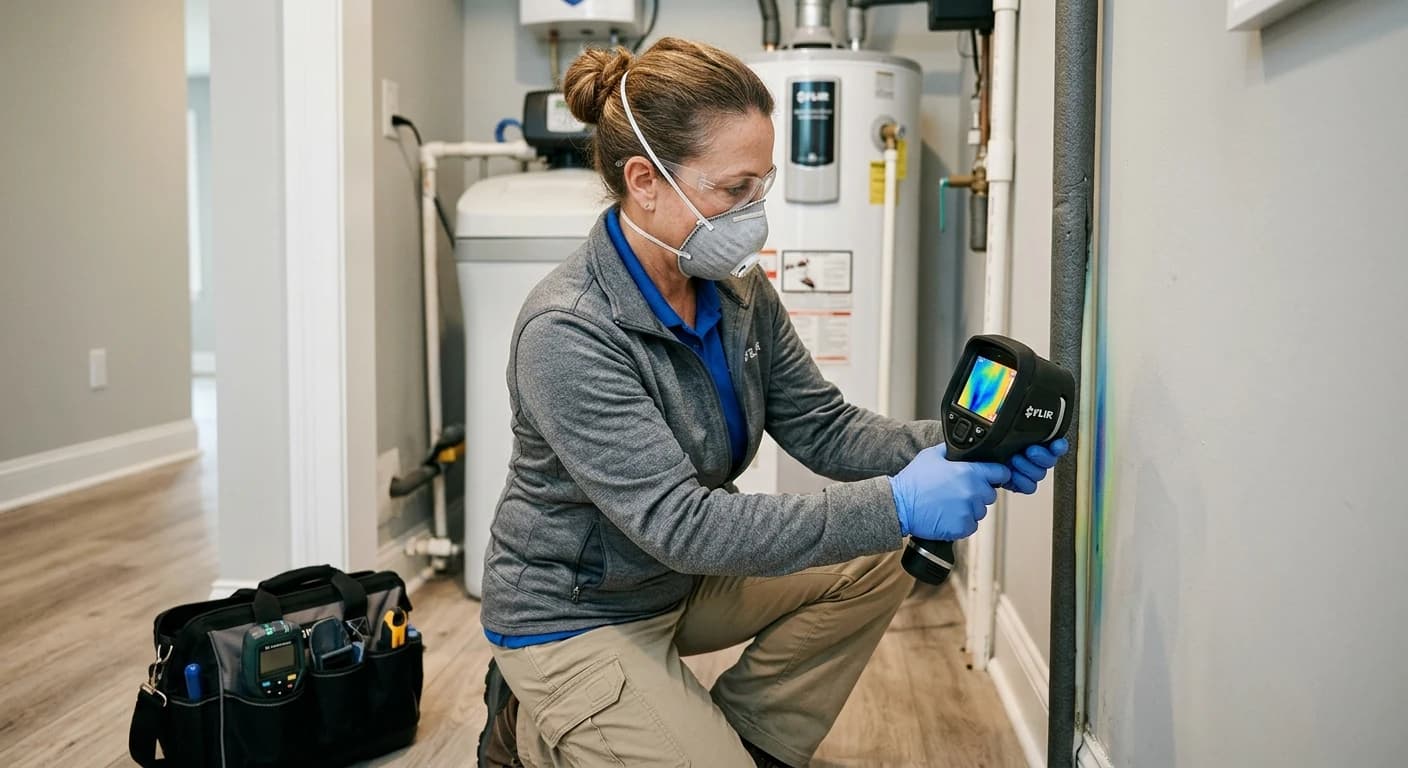
Homeowners can utilize moisture meters and infrared cameras to detect dampness and potential mold hotspots. Moisture meters can be used to measure the moisture content in building materials, which can indicate areas where mold might grow. Infrared cameras can reveal temperature differences in walls and ceilings, helping to identify areas where moisture may be present. While these tools can provide initial insights, professional mold testing using advanced techniques offers a conclusive analysis. Professional inspectors may use air sampling, surface sampling, and bulk sampling to identify mold presence and concentration. They can also perform a thorough visual inspection to identify potential sources of moisture and mold growth. Once mold is identified, a remediation plan can be developed to effectively remove it and prevent future growth. Our contact page provides information on how to schedule a professional inspection promptly. Engaging professionals ensures that all mold issues are addressed, protecting your investment and health.
How to Prevent Mold Growth in Your Home
Preventing mold growth involves a proactive approach to managing moisture and humidity levels in your home. Start by addressing any leaks in roofs, pipes, or basements promptly, as these can create the perfect environment for mold to thrive. Ensure your home is well-ventilated, particularly in high-moisture areas like bathrooms and kitchens. Installing exhaust fans and using dehumidifiers can help maintain optimal humidity levels, ideally below 60%. Regularly clean and repair gutters to prevent water accumulation near your home's foundation. Additionally, ensure that your home’s landscaping directs water away from the foundation to minimize seepage. Use mold-resistant products when building or renovating, such as mold-resistant drywall and paints, to reduce the risk of mold growth. Regular maintenance checks, especially after heavy rainfalls or snowmelt, can help identify potential moisture issues before they escalate. By adopting these preventive measures, you can significantly reduce the chances of mold developing in your home, safeguarding both your property and health.
The Importance of Professional Mold Remediation
When mold is detected in your home, professional remediation is crucial to ensure it is completely and safely removed. Mold remediation specialists have the expertise and equipment necessary to handle mold problems of any size. They begin by conducting a thorough assessment to identify the extent of mold growth and its underlying causes. Once identified, they use specialized techniques to contain and remove mold, preventing spores from spreading to other areas of the home. Professional remediation includes cleaning and sanitizing affected areas, as well as applying antimicrobial treatments to prevent future growth. In addition, they will address the source of moisture to ensure mold does not return. Attempting to remove mold on your own can often lead to incomplete removal, allowing mold to regrow. In areas like New Jersey, where humidity can be high, professional remediation ensures that all mold issues are comprehensively addressed. By hiring professionals, you not only protect your home but also ensure the health and safety of your family.
DIY Mold Detection Tips
While professional mold detection is often necessary, there are several DIY methods you can employ to identify potential mold issues in your home. Start by conducting a thorough inspection of common mold-prone areas, such as under sinks, around window sills, and in corners of basements or attics. Use a flashlight and a mirror to check dark or hard-to-reach spots. Pay attention to any unusual smells, as a persistent musty odor can be a strong indicator of mold. You can also use a humidity meter to monitor the moisture levels in different rooms; levels above 60% can encourage mold growth. If you suspect mold behind walls, lightly tapping the wall and listening for a hollow sound may indicate water damage. For a more hands-on approach, you can purchase a mold test kit from a local hardware store. These kits allow you to collect samples from suspected areas and send them to a lab for analysis. However, while DIY methods can provide initial insights, they should not replace professional evaluations, especially if mold is suspected in large or inaccessible areas.
When to Seek Professional Help
Knowing when to call in professional help is crucial in effectively managing mold problems. If you notice extensive mold coverage, such as large patches on walls, ceilings, or floors, it's time to seek expert assistance. Mold that covers more than 10 square feet typically requires professional remediation to ensure thorough removal. Additionally, if you or your family experience persistent health issues, such as respiratory problems or allergic reactions, and suspect mold as the cause, a professional assessment is advisable. In regions like Woodcliff Lake, where weather conditions can lead to frequent moisture buildup, professional intervention is often necessary to address hidden mold that DIY methods might miss. Professionals not only have the tools to detect and remove mold but also the expertise to identify and rectify the underlying moisture issues that contribute to mold growth. By engaging professional services, you ensure a comprehensive approach to mold management, safeguarding your home and health. Remember, timely professional intervention can prevent minor mold issues from escalating into significant health and structural problems.
Understanding the Health Impacts of Mold Exposure
Mold exposure can have serious health implications, particularly for individuals with pre-existing respiratory conditions, allergies, or weakened immune systems. Even for healthy individuals, prolonged exposure to mold can lead to symptoms such as nasal congestion, throat irritation, coughing, and skin rashes. More severe reactions can include asthma attacks or chronic sinus infections. It's important to recognize that symptoms can vary widely among individuals, making it challenging to immediately associate them with mold exposure. In homes with children or elderly residents, who may be more susceptible to the effects of mold, it's crucial to maintain a mold-free environment. Regular health check-ups can help identify symptoms that may be linked to mold exposure. If you suspect that mold is affecting your health, consult with a healthcare professional who can provide guidance on testing and treatment. Additionally, addressing mold issues in your home promptly can prevent further health complications. In areas like Woodcliff Lake, where humidity can be a contributing factor to mold growth, taking proactive steps to manage indoor air quality can help mitigate health risks associated with mold.
Effective Mold Remediation Strategies
Once mold is detected, implementing effective remediation strategies is key to ensuring it is thoroughly eradicated. Start by identifying and addressing the source of moisture, as mold will continue to thrive if the underlying issue is not resolved. This may involve repairing leaks, improving ventilation, or installing dehumidifiers. Next, isolate the affected area to prevent mold spores from spreading. This can be done by sealing off the area with plastic sheeting and using negative air pressure to contain spores. Use appropriate personal protective equipment, such as gloves and masks, to prevent exposure during the cleanup process. For small areas, cleaning with a mixture of detergent and water can be effective, followed by thorough drying. However, for larger infestations, professional remediation services are recommended to ensure complete removal. Professionals use specialized equipment and techniques, such as HEPA vacuuming and antimicrobial treatments, to eliminate mold and prevent recurrence. Post-remediation, it's vital to conduct follow-up inspections to confirm that mold has been successfully removed and that preventive measures are in place to avoid future growth. By adopting comprehensive remediation strategies, homeowners can protect their property and health from the adverse effects of mold.